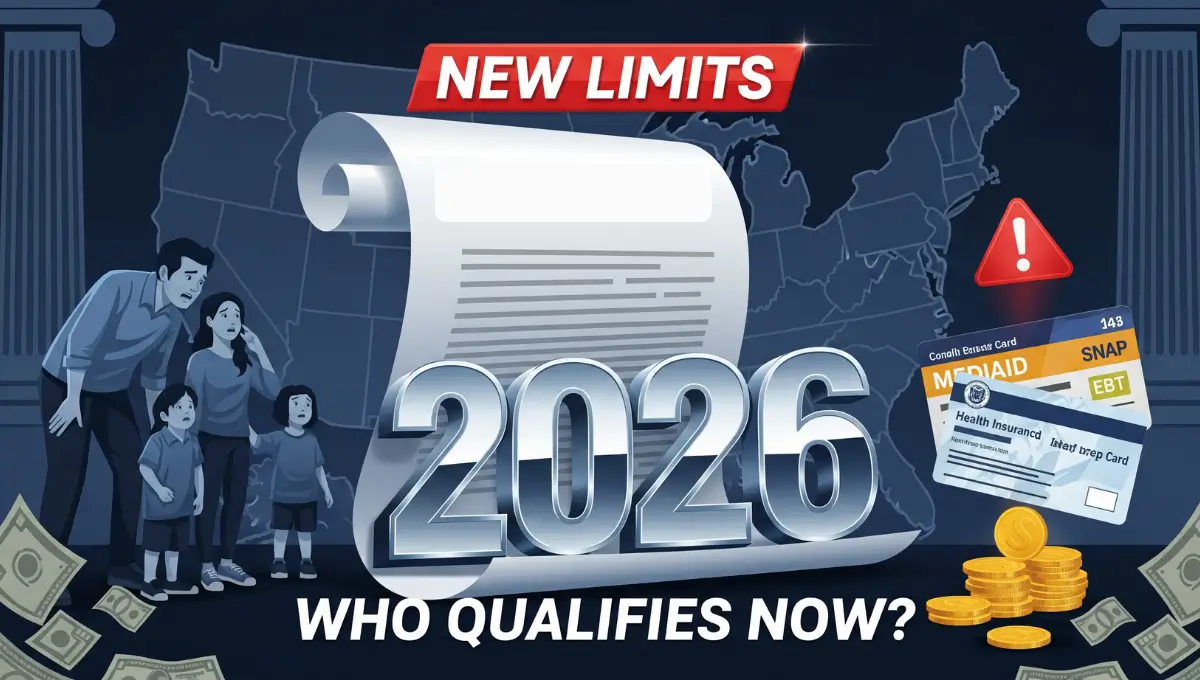

The U.S. Department of Health and Human Services officially released the 2026 Federal Poverty Guidelines on January 13, 2026. These new income limits will decide who qualifies for Medicaid, SNAP, and affordable health insurance under the ACA.
The guidelines increased by 2.63% from 2025, adjusted for inflation using the Consumer Price Index. But even a small raise or extra income could push families over the new cutoff.
For a single person in the contiguous U.S., the federal poverty level is now $15,960 per year. A family of four must earn less than $33,000 to qualify at 100% of the poverty line.
In Alaska, the limit is $19,950 for one person and $41,250 for four. Hawaii’s thresholds are $18,360 and $37,950, respectively.
“These numbers matter more than people realize,” said policy analysts at Willis Towers Watson. “A few hundred dollars can be the difference between keeping or losing health coverage.”
Medicaid and CHIP programs will begin using the 2026 guidelines between February and April. Most expansion states cover adults under 65 with incomes up to 138% of the poverty level—about $22,075 for a single person.
Families who earned slightly more in 2025 may no longer qualify. States are expected to start renewals soon.
SNAP, also known as food stamps, uses these limits too. The USDA and local agencies calculate eligibility based on household size and gross income. Changes to the poverty line mean some recipients could see benefit cuts or denials during recertification.
ACA Marketplace enrollees should note that 2025 guidelines still apply for the 2026 plan year, according to federal rules. Premium tax credits and cost-sharing help are locked in based on last year’s numbers. But starting in 2027, the new 2026 limits will be used.
“People shopping for insurance right now won’t be affected yet,” explained an HHS spokesperson. “But next open enrollment, these numbers will matter.”
Employers with 50 or more full-time workers must also pay attention. Under the Affordable Care Act employer mandate, coverage is considered affordable if it costs no more than 9.96% of the federal poverty level in 2026. Companies use this “FPL Safe Harbor” to avoid penalties.
Other programs tied to the poverty guidelines include:
- Community Services Block Grant (CSBG)
- Head Start early education programs
- Low Income Home Energy Assistance Program (LIHEAP)
- Supplemental Security Income (SSI) in some cases
The Federal Register published the official notice with full state-by-state breakdowns. Advocates urge families to check their eligibility now, especially if income changed in the past year.
“Don’t assume you’re safe,” warned benefits counselors. “Even small changes can affect what you receive.”
For households near the cutoff, it may help to review deductions, dependents, or work hours before renewal deadlines hit.
State agencies are expected to send notices in the coming weeks. Recipients should respond quickly to avoid losing coverage or food assistance.
Anyone unsure about their status can contact their local Medicaid office, SNAP agency, or visit HealthCare.gov for updated eligibility tools.
Sources: Federal Register, U.S. Department of Health and Human Services, Willis Towers Watson