
Minnesota officially started its Paid Family and Medical Leave (PFML) program on January 1, 2026, but the launch is raising serious concerns about fraud.
The program offers paid time off for workers dealing with health issues, family care, or new babies. But critics warn it could become the “next billion-dollar fraud” in a state already fighting a massive benefits scam.
Over 3,510 people have already been approved for benefits in the first two weeks. Payments can reach up to $1,500 per week for eligible workers.
Governor Tim Walz signed the program into law in 2023. Minnesota becomes the 13th state with paid family leave. The program is funded through a payroll tax split between employers and employees.
Workers can take up to 12 weeks for personal health needs or to care for a sick family member. They can also take 12 weeks to bond with a new child, with a total cap of 20 weeks per year.
To qualify, workers must have earned at least $3,500 in the past year. The program covers most full-time and part-time workers, including self-employed people who opt in and undocumented workers.
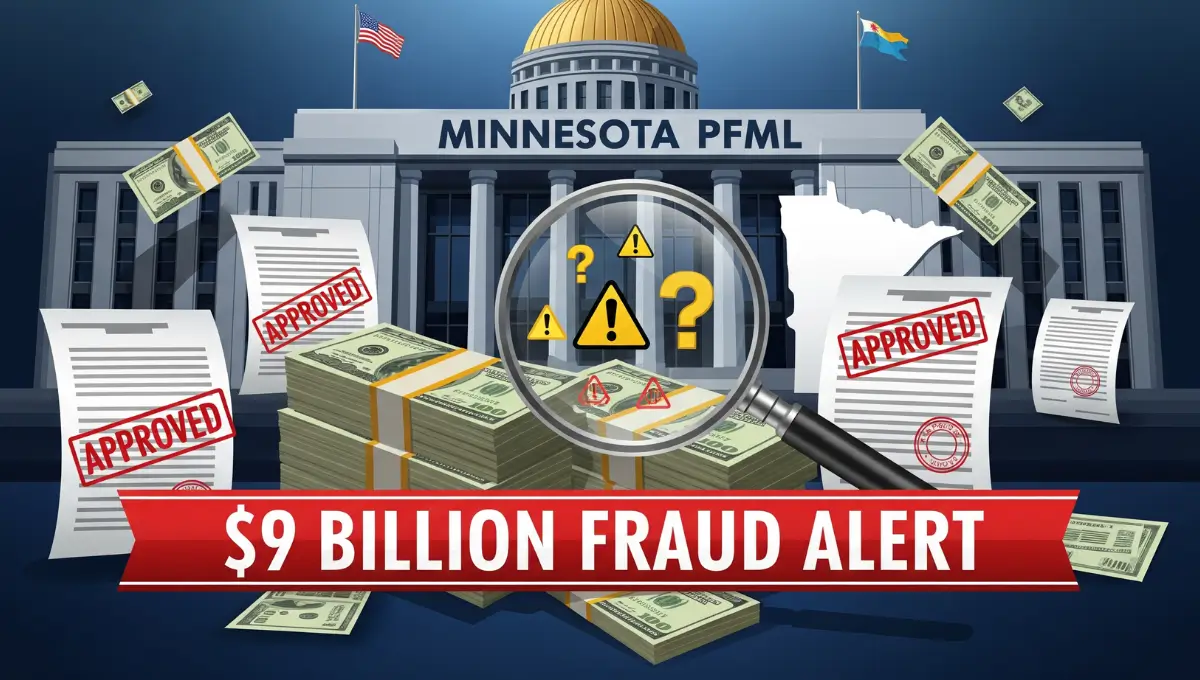
But the timing has many people worried. Minnesota is currently dealing with what officials estimate could be up to $9 billion in benefits fraud across multiple programs since 2018, according to Forbes.
The fraud includes:
- $250 million stolen from child nutrition programs (Feeding Our Future scandal)
- Billions in suspected Medicaid fraud, with some estimates suggesting half of $18 billion in payments were fraudulent
- Recent freezes on child care and housing assistance programs
- Cases of “fraud tourism” where people from other states submitted fake claims
Republican State Representative Kristin Robbins, who chairs the House Fraud Prevention Committee, told KFGO that whistleblower tips about attempts to “skim the system” came in within days of the program’s launch.
Bill Glahn from the Center of the American Experiment warned on social media that past Minnesota programs “had claimed safeguards but failed due to lax enforcement.”
The Minnesota Department of Employment and Economic Development (DEED) says the program has built-in fraud protections. These include identity verification, employer cross-checks, and medical documentation requirements.
Officials plan to use audits, site visits, and data analytics to catch suspicious claims. The system is modeled after the state’s unemployment insurance program.
Governor Walz acknowledged fraud risks but defended the program in a Pioneer Press interview. “There’s risk of fraud in any state program,” Walz said, but he insists the safeguards are strong.
Federal agencies are now involved in investigating Minnesota’s benefits fraud. Nine agencies including the Treasury Department’s Financial Crimes Enforcement Network (FinCEN), the Department of Justice, and Health and Human Services are working on the case.
The U.S. Department of Labor recently announced a “targeted review” of Minnesota’s unemployment insurance program amid the broader fraud concerns.
As of January 15, 2026, no major fraud has been publicly reported in the new paid leave program itself. But with the state’s recent history, lawmakers and watchdogs say they’re watching closely.
Walz has appointed a new director of program integrity and announced statewide fraud prevention efforts in response to the ongoing scandals.